
By Daniel Jacobs MSc, BSc (Hons), MSTO, CNHC, SMA
Founder of Elite Health & Human Performance
Whether you’re a weekend warrior, a professional athlete, or just someone who enjoys staying active, your knees are central to your movement. As a Sports Therapist and Performance Coach, I’ve seen countless individuals sidelined by preventable knee injuries. The good news? Most knee injuries are preventable with the right strategies in place.
Here’s what you need to know to keep your knees strong, healthy, and injury-free.
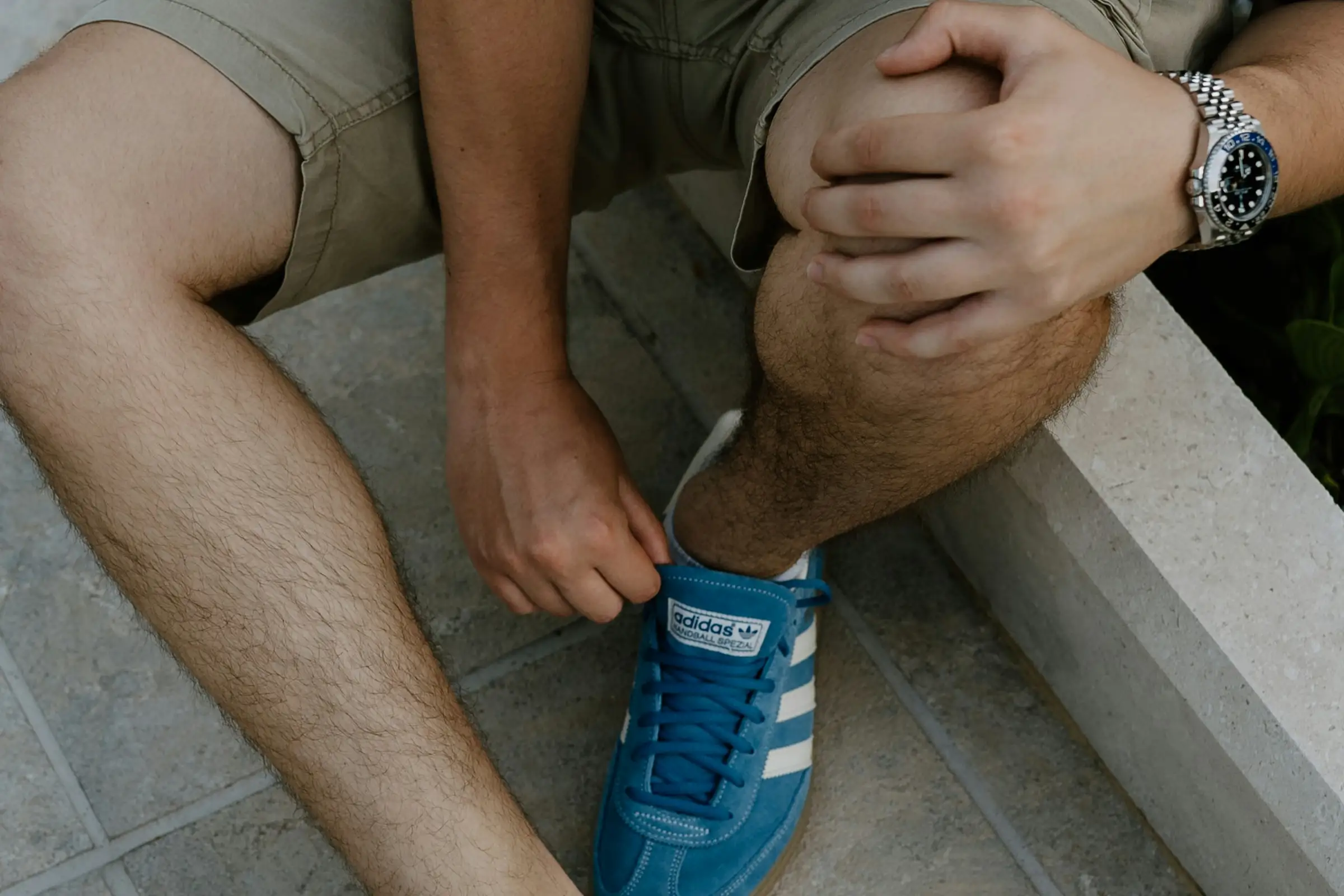
- Understand the Anatomy and Common Injuries
The knee is a complex joint, relying on the coordination of bones (femur, tibia, patella), ligaments (like the ACL and MCL), tendons, and cartilage. Common injuries include:
- ACL/MCL tears (often due to sudden changes in direction)
- Patellofemoral pain syndrome (a.k.a. “runner’s knee”)
- Meniscal tears (from twisting motions)
- Tendinitis (inflammation due to overuse)
Prevention starts with understanding the movements and conditions that commonly lead to injury.
- Strengthen the Muscles That Support the Knee
Muscle imbalances are one of the biggest culprits behind knee injuries. Focus on building strength and stability in:
- Quads and hamstrings – Provide shock absorption and control knee motion
- Glutes – Aid hip stability and prevent knee valgus (collapsing inward)
- Calves – Help stabilize lower leg mechanics
🔹 Dan’s tip: Incorporate exercises like split squats, glute bridges, Nordic curls, and Romanian deadlifts into your routine.
- Train for Movement, Not Just Muscle
Functional movement training is key. This means practicing control and coordination during activities like jumping, landing, cutting, and pivoting.
- Use plyometric drills (box jumps, depth drops)
- Focus on landing mechanics: soft knees, aligned hips, and knees tracking over toes
- Include single-leg work to improve stability and control imbalances
- Warm-Up and Mobility: Non-Negotiables
A proper dynamic warm-up prepares your joints and muscles for action, reducing injury risk.
- Dynamic stretches (e.g., leg swings, walking lunges)
- Mobility work for hips, ankles, and thoracic spine
- Activation drills (especially for the glutes and core)
Spend 10–15 minutes before each session preparing your body. It’s not wasted time — it’s injury insurance.
- Don’t Ignore Pain or Early Warning Signs
That slight discomfort behind your kneecap or that nagging ache after running? It’s your body whispering — don’t wait until it’s screaming.
- Address tightness or swelling early
- Modify training load if something feels “off”
- Work with a professional for a proper movement assessment if issues persist
- Optimise Recovery and Load Management
Injury often occurs when we ignore recovery.
- Ensure adequate rest between intense sessions
- Sleep is your best performance enhancer and tissue repair tool
- Use periodization to gradually build training intensity and volume
Overuse injuries, such as patellar tendinitis, are often the result of doing too much, too soon.
- Footwear and Surface Awareness
Your knees don’t work in isolation. Poor footwear or uneven surfaces can lead to altered mechanics and strain.
- Invest in quality, activity-appropriate shoes
- Replace shoes regularly if you’re a runner or court athlete
- Be cautious on uneven, hard, or slippery surfaces
Final Thoughts
Preventing knee injuries isn’t about avoiding movement — it’s about moving better and training smarter. With targeted strength, mobility, and technique work, you can significantly lower your risk and improve your performance.
If you’re unsure where to start, a movement screen or performance assessment can identify risk factors before they become problems.
Your knees carry you through every jump, sprint, squat, and stride — let’s take care of them so they can take care of you.
Need a personalised program or assessment?
Feel free to reach out — injury prevention is always better (and cheaper) than rehab.